Rodent & Wildlife Removal in Crystal Lake
Request an estimate and compare calmly
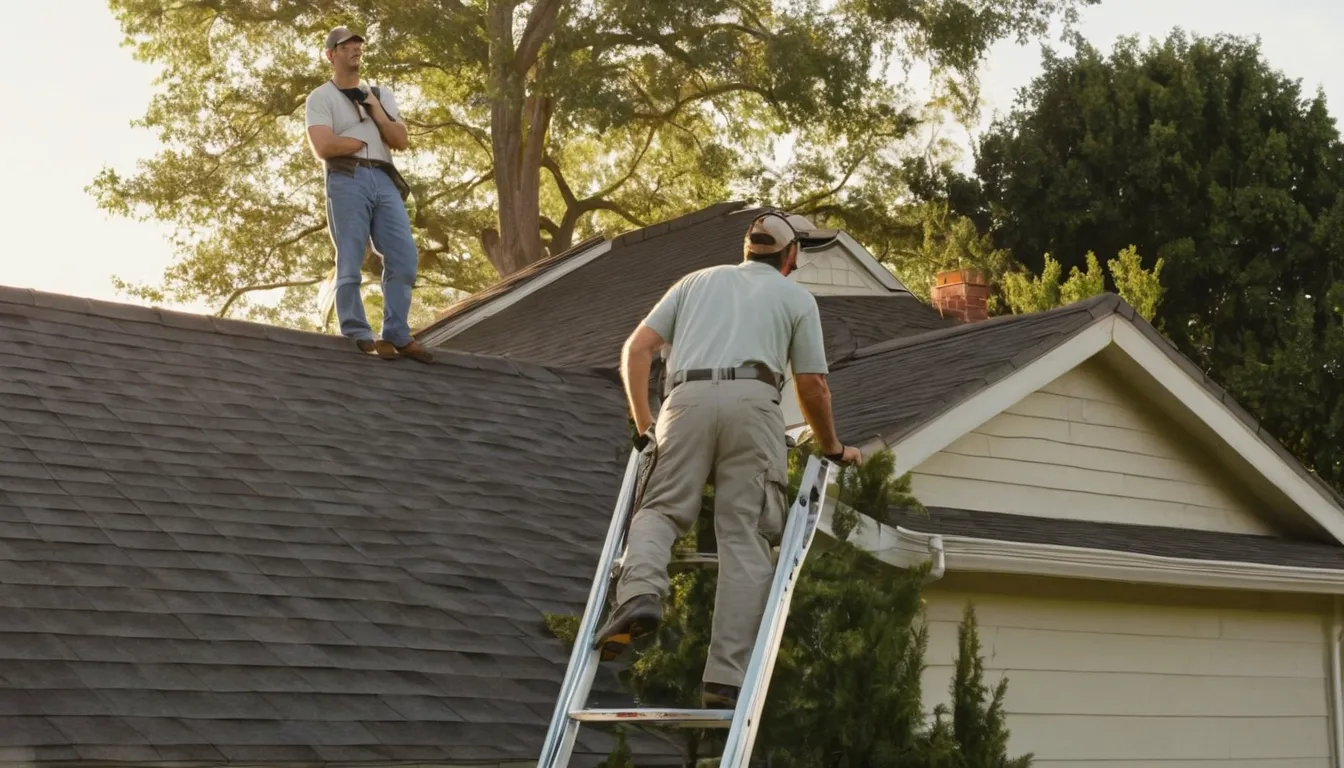
Rodents and wildlife move into homes for the same reasons people do: warmth, food, and a safe place to sleep. A small gap near the roof or a crack by the foundation is all they need. Once inside, they chew wires, tear insulation, and leave droppings behind.
Roughaccording Pest Control is a referral service. We do not do the work. We connect homeowners in the Crystal Lake area with independent providers in our network who handle mice, rats, squirrels, raccoons, bats, and more. We explain your options in plain words and lay them side by side. You compare estimates, ask your questions, and decide when you are ready. There is no obligation, and afterward we share simple habits that help keep animals from returning.
Noises in the Attic or Walls? Start Here
Scratching above the ceiling is your house telling you something. An animal has found a way in. If you typed exterminator near me into a search box, you are in the right place. Plain words first, then your choices, then your decision.
Why Waiting Makes It Harder
Think of a small drip under a sink. It seems harmless, but the damp keeps spreading. Animals work the same way. Mice breed quickly, and a few can become many in a short time. Gnawed wires can also become a fire risk. The sooner a provider looks, the smaller the job often stays.
Signs Pointing to Rodents
Look for droppings that resemble dark grains of rice. Check for greasy rub marks along baseboards, chewed food boxes, and shredded insulation. Light scurrying at night often means mice. Heavier thumping and gnawing inside walls can point to rats. A stale, musky smell is another clue.
Signs Pointing to Larger Wildlife
Squirrels tend to be noisy in the morning and evening. Raccoons are heavy and loud, usually after dark. Bats make faint squeaks near dusk and leave stains under small gaps. Walk the outside of your home, too. Torn soffits, bent vent covers, and loose flashing show where an animal pushed in.
When Babies May Be Inside
Spring and early summer are nesting season. If a mother is raising young in your attic, removing only her can leave the babies behind. Chirping or squeaking sounds are worth mentioning to any provider. That one detail can change the whole plan.
Animals Providers Commonly Handle
- Mice and rats
- Squirrels and chipmunks
- Raccoons and opossums
- Bats, which often come with special rules
- Skunks and groundhogs under decks or sheds
- Birds nesting in vents
Not every provider takes every animal. Ask before you book anything.
How Removal Usually Works
Think of a visit to the doctor. First comes an exam, then a diagnosis, then a plan. Removal follows the same order.
Step One: A Close Inspection
The provider checks the attic, basement, crawl space, and roofline. The goal is to find where the animal gets in and where it spends its time.
Step Two: Removal
The method depends on the animal. It might be traps, a one-way door that lets an animal leave but not return, or bait stations for rodents.
Step Three: Sealing the Openings
Closing the gaps is what stops a repeat visit. Removal without sealing is like mopping the floor while the tap is still running.
Humane Handling and Local Rules
Many areas limit how wildlife can be trapped, moved, or released. Bats are often protected during parts of the year. Ask each provider how they treat animals, how they handle nesting young, and which local or state rules apply to your job.
Compare, Then Decide
Two estimates can look far apart and both be fair. It is like comparing two recipes: look at the ingredients, not only the price. Line the quotes up side by side. Check what is included, how many visits are planned, whether sealing is part of the work, and whether any warranty is in writing.
Questions to Ask Each Provider
- Will you inspect the whole home, including the roofline?
- Is sealing included, or priced on its own?
- How do you handle young animals?
- Is cleanup part of this quote?
- Is the warranty written down, and how long does it last?
- Are follow-up visits included?
You never have to say yes. There is no obligation.
Cleanup and Repairs
Droppings, urine, and soiled insulation can hold odors and germs. Some providers clean and sanitize. Others suggest a separate service. Chewed wiring should be checked by a licensed electrician. Some policies may cover sudden damage, so check your policy. Providers can often help document damage for a claim.
Fix It, Then Protect It
A house is like a cooler with a loose lid. Keep the lid tight and little gets in. After the work is done, trim branches back from the roof. Stack firewood away from the walls. Keep trash lids snug and pet food sealed. Cap the chimney and screen the vents.
Seasons Change the Pattern
Cold winters with deep frost push mice and squirrels indoors for warmth. Hot, humid summers bring more activity around trash and pet bowls. Spring flooding can drive rodents out of burrows and toward your basement. Hail and storms can crack roof edges and vents, so take a look after rough weather.
Basements, Bungalows, and Ranch Homes
Full basements with sump pumps have gaps around pipes and covers. Frame houses that are many decades old settle and develop small cracks. Low rooflines on bungalows and ranch homes are easy for climbers to reach from nearby trees. A quick walk around the house once each season catches problems early.
Ready for the Next Step?
Request a callback to check provider availability in your area. Or send a request and look at the estimates when you have time. Either way, you set the pace.
What's Included
Full Home Inspection
A provider checks the attic, basement, and roofline to find entry points and signs of activity.
Animal Removal
Traps, one-way doors, or bait stations, chosen to fit the animal.
Sealing Entry Points
Gaps, vents, and rooflines are closed to keep animals out.
Cleanup Options
Many providers can remove droppings and soiled insulation, or suggest who can.
What Removal Typically Costs in the U.S.
Prices change with the animal, the size of the home, and how hard the entry points are to reach. These are typical U.S. ranges only. Always ask for a written quote before work begins.
| Item | Typical range | Notes |
|---|---|---|
| Inspection | $100 – $300 | Some providers apply it to the job price |
| Mouse control program | $200 – $600 | Often includes follow-up visits |
| Rat removal | $300 – $1,000 | Depends on how far they have spread |
| Squirrel or raccoon removal | $300 – $1,000 | Young animals can add to the cost |
| Sealing entry points | $400 – $2,500 | Higher for tall or complex rooflines |
| Attic cleanup and insulation | $1,000 – $6,000 | Depends on the size of the area |
How It Works
Tell Us What You Hear
Describe the noises, smells, or damage you have noticed, and where in the house they seem to happen.
Get Matched With Providers
A local provider in our network reaches out to discuss your situation and options.
Compare Written Estimates
Look at what each includes: removal, sealing, cleanup, and follow-up visits.
Choose and Protect Your Home
Pick the provider you trust, then follow simple habits that keep animals out.
Why Call Roughaccording Pest Control
Compare Before You Commit
See estimates side by side and choose the approach that fits your home.
Plain Words
We explain what each method means, so you can ask better questions and feel sure.
No Pressure
Requesting an estimate carries no obligation, and you decide when to move forward.
Help Afterward
We share simple habits that help keep animals from returning once the work is done.
Other Services
Need rodent & wildlife removal in Crystal Lake?
Tell us what you are seeing. Request an estimate, or Request a callback to check provider availability. Comparing is easy and there is no obligation.
No obligationRodent & Wildlife Removal FAQ
How do I know if I have mice or rats in my walls?
Listen for light scurrying at night, and look for rice-sized droppings, grease marks along baseboards, and chewed packaging. Heavier thumping and gnawing often point to rats. A provider can inspect and tell you for sure.
Is it safe to remove a wild animal from my attic myself?
It can be risky. Animals may bite or scratch, and babies may be hidden nearby. Some species are also protected by local rules. A provider can inspect first, explain the options, and handle the removal in line with local rules.
Will sealing the holes stop animals from coming back?
Sealing is the key step, because it closes the paths animals use. Still, new gaps can form as houses age and weather changes. Seasonal walk-arounds and trimmed branches help keep the seal working over time.
Get in touch
Tell us what you are seeing. Request an estimate, or Request a callback to check provider availability. Comparing is easy and there is no obligation.
No obligation